
(734) 697-0806
LHIGutter@aol.com
Belleville, mi
Rain should leave your roof, move through the gutters, and exit through the downspouts. When that path breaks, water goes where it should not. Many homeowners notice gutters not draining properly only after a stain appears on a wall or a puddle forms by the foundation. The warning signs are easy to spot once you know them.
At LHI Gutter in Dearborn, MI, we see the same patterns on many homes after heavy rain and leaf season. This guide covers seven clear warning signs, what causes each one, and how to respond. Read through them, then walk around your house during the next storm. A few minutes of checking can save your siding, landscaping, and basement.
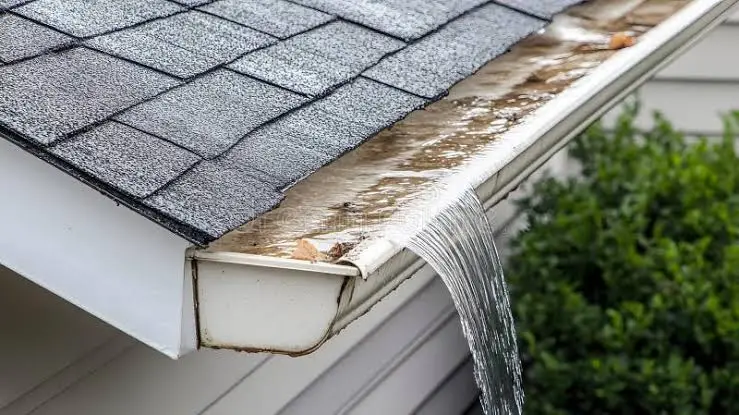
Water spilling over the front edge of the trough is the most obvious clue. Gutters not draining water in a normal rain will spill instead. Leaves, shingle grit, and twigs build up and form a dam. The water has nowhere to travel, so it pours over the lip and lands beside your walls.
Check whether the overflow happens along the whole run or at one spot. Overflow along the full length usually points to debris. Overflow at a single corner or seam often means a blocked outlet or a joint that has pulled apart. Timing matters too, so watch during the heaviest part of the storm.
Gutters should be nearly dry within an hour or two after a storm. Standing water in gutters means the channel is clogged or sitting at the wrong angle. Water that sits for days breeds mosquitoes and speeds up rust on metal and rot on the fascia boards behind it. Gutters not draining properly at this stage need attention soon.
Gutters need a slight slope toward the downspout, roughly a quarter inch for every ten feet. A ladder and a level will show you whether the slope still works. If puddles collect at the far end of a run, the hangers may have loosened and let the trough tilt the wrong way.

Stand beside a downspout while it rains. You should see a steady stream leaving the bottom. A downspout not draining at full strength, or one that drips and sputters, tells you something inside is stuck. Leaves, roof granules, and even small nests can pack tightly into the narrow elbow. Tight bends catch debris first.
A blocked gutter downspout also forces water back up into the gutter, which then overflows. Try running a garden hose from the top and watch the outlet. If the flow slows or stops, the clog sits somewhere inside. Professional gutter cleaning clears the full path, including the hidden elbows.
Sagging gutters are a visible warning that water or debris is adding too much weight. A full gutter can hold more than a hundred pounds of wet leaves and water. Over time, the fasteners loosen, the trough bows in the middle, and the line along your roof no longer looks straight.
Look for gaps between the gutter and the fascia, spikes that have backed out, or sections that tilt away from the house. These are classic gutter drainage problems because the water no longer follows the intended path. Timely gutter repair resets the hangers and restores the slope before the fascia board starts to rot.
Check the ground along your foundation after a rainstorm. Water pooling around foundation walls is a strong sign the gutters are dumping water in the wrong place. Soil that stays soggy next to the house can push moisture into basement walls, crawl spaces, and slab edges over time. Michigan freeze and thaw cycles make the problem worse.
Downspouts should discharge at least four to six feet away from the house, onto ground that slopes away. Short or missing extensions let water drop right at the footing. Basement dampness, musty smells, and small cracks in the foundation wall often show up after repeated pooling. Fix the discharge point before these symptoms appear.
Water pooling near your foundation? LHI Gutter provides gutter repair in Dearborn, MI to fix drainage problems before they damage your home. Call +1(734) 697-0806 to schedule an inspection today.
Look at the siding directly under your gutters. Dark vertical streaks, peeling paint, or green growth show that water is running down the wall instead of through the downspout. Gutter water flow problems like this often start as a faint stain and turn into soft, damaged siding within a season or two.
Inspect the soffits and fascia too. Wood that feels spongy or shows dark rings has been wet for too long. Rainwater can also creep behind the gutter and soak the roof edge. These are early signs of clogged gutters that many owners miss because they hide in shadow under the eaves.
Seedlings sprouting in your gutters are a clear sign that debris has piled up for months. Maple seeds, oak leaves, and roof grit break down into soil, and that soil holds water. Nothing grows in a clean trough, so these signs your gutters are clogged have been building for a long time.
Homeowners across Dearborn often ask LHI Gutter how to keep this from returning. Regular gutter cleaning twice a year is the base routine, and gutter guards can reduce how much debris gets in. Neither is a cure-all, so a quick visual check each season still matters.
Poor gutter drainage rarely stays a small issue. Water that cannot leave the roof edge finds weak spots in the fascia, siding, and foundation. In winter, trapped water freezes and forms ice dams that lift shingles. The sooner you spot gutters not draining properly, the fewer repairs your home will need.
Use a sturdy ladder on level ground, wear gloves, and never reach too far sideways. Scoop out debris, then flush each run with a hose. Watch where the water travels. If the water still backs up, you may be dealing with gutters not draining properly because of a hidden clog or a bad slope.
Skip the job if the roofline is steep, the ladder feels unstable, or the gutters sit above a second story. A professional can inspect the system safely and spot hidden damage. LHI Gutter in Dearborn, MI handles these checks regularly and can recommend the right fix for your home.
If you spotted even one of these warning signs, do not wait for the next storm to test your roofline. LHI Gutter serves homeowners in Dearborn, MI and nearby communities with gutter cleaning, gutter repair, downspout repair, gutter guards, and gutter installation.
Our team checks the slope, hangers, seams, and outlets, then explains what is causing the trouble in plain language. Whether you have gutters not draining properly in one corner or across the whole house, a clear diagnosis comes first. You can then decide on the next step with full information. Many problems, like a loose hanger or a packed elbow, are quick to correct when caught early.
Larger issues, such as sections that have pulled from the fascia, are easier to manage before water damages the wood. Call us at +1(734) 697-0806 or schedule a visit today. A short inspection now can protect your siding, landscaping, and foundation through the fall rain and the winter freeze ahead.
A clean trough can still hold water if the slope is wrong or the downspout is blocked deeper inside. Loose hangers let the gutter tilt away from the outlet. Run a hose through the system and watch the downspout. If the flow stays weak, the clog sits in a hidden elbow or the pitch needs adjusting.
Watch the downspout during rain or run a garden hose from the top. A steady stream at the bottom means the path is clear. Dripping, sputtering, or no flow means debris is packed inside. Overflow from the gutter directly above the downspout is another strong sign of a blockage.
Most homes need cleaning twice a year, once in late spring and once after the leaves fall. Houses near maple or oak trees may need a third check. Heavy storms and freeze and thaw cycles can also leave debris behind, so a quick look after major weather helps.
Yes. Water that drops beside the footing soaks the soil and pushes moisture toward basement walls and crawl spaces. Over time, this can cause dampness, musty smells, and small cracks. Downspout extensions that carry water four to six feet away reduce this risk.
Overflow in light rain usually means the gutter is already full of debris or the downspout outlet is blocked. A sagging section can also spill water over the edge. If the overflow happens in the same spot every time, check that area for a clog or a loose hanger.
Gutter guards reduce the amount of leaves and large debris that enter the trough, but they do not stop every clog. Shingle grit, seeds, and pine needles can still build up. A yearly inspection and occasional cleaning keep guarded gutters flowing well.
LHI Gutter is a family-owned company with over 38 years of experience delivering trusted gutter installation, repair, cleaning, and leaf protection services